
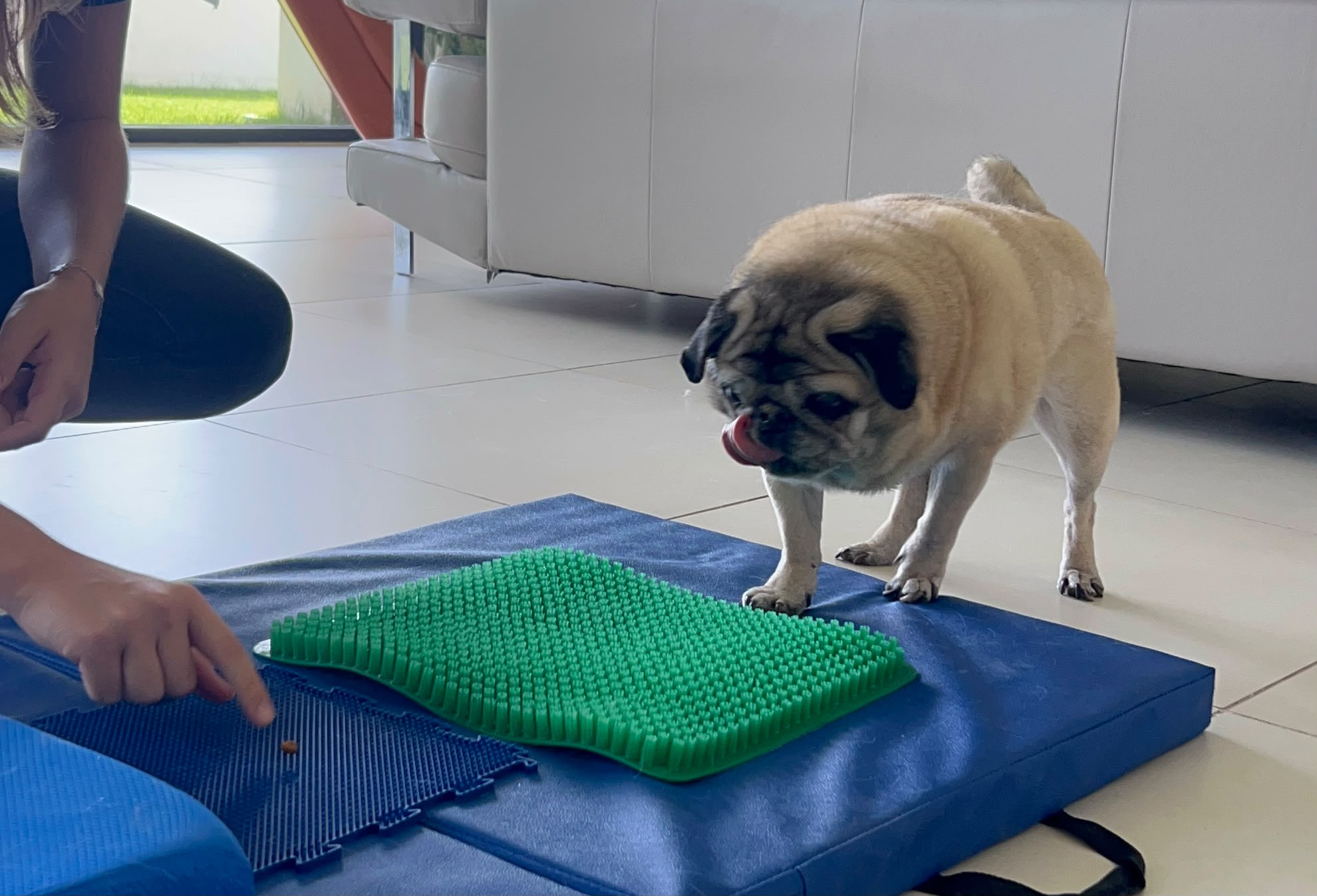
Arthritis in dogs is one of the most common causes of chronic pain, stiffness and reduced mobility. While dog arthritis is often associated with ageing and repetitive stress, it can develop at any life stage, particularly in dogs recovering from injury, living with orthopaedic conditions or carrying excess weight.
The good news is that with the right arthritis treatment for dogs, most pets can continue to enjoy an active, comfortable life. Canine physiotherapy is important for arthritis management, and early intervention is one of the most effective ways to slow disease progression, reduce pain and preserve joint function. At Vet Physio Abu Dhabi, we provide evidence-based veterinary physiotherapy in Abu Dhabi and across the UAE, helping dogs with arthritis improve mobility, build strength and maintain long-term joint health through tailored dog physiotherapy programmes.
What is Canine Arthritis?
Arthritis is a degenerative joint disease which progressively worsens over time. It occurs when the cartilage within a joint gradually wears away. As the cartilage deteriorates, the bones begin to rub together, leading to synovial inflammation, formation of osteophytes (development of small bony growths) and subchondral bone remodelling, causing noticeable stiffness and discomfort.
Although arthritis cannot be cured, early diagnosis and treatment can significantly reduce pain and slow the progression of the condition.
Common Signs of Arthritis in Dogs
Many owners assume their dog is “just getting older” when they begin to slow down, but subtle changes in movement are often the first indication of joint pain. Some of the signs are described below:
1. Stiffness After Resting or Sleeping
Stiffness following rest that improves with gentle movement is one of the most common signs of arthritis. During periods of rest, the affected joint becomes less mobile and synovial fluid is distributed less effectively around the joint. As your dog begins to move, circulation increases, the joint warms up and lubrication is redistributed, helping to reduce stiffness.
You may notice that after long periods of rest, your dog finds it more difficult or is slower to stand, takes shorter or more restricted first steps, or you may hear crepitus (a clicking or grating sound within the joint).
2. Slowing Down on Walks
You may notice your dog has started to slow down during walks, possibly due to increased stiffness or pain.
3. Reluctance to Jump into the Car or onto Furniture
A sudden reluctance or hesitation before jumping in or out of the car, or up onto furniture may indicate weakness or discomfort within the affected joint.
4. Reduced Willingness to Play
Your dog may have a reduced willingness to play, fatigue more quickly or lose interest in toys or play time.
5. Muscle Loss Around the Affected Joints
Muscle loss due to reduced activity or compensatory movements to reduce the load through the affected limb can be a sign of discomfort, or reduced confidence to use the limb.
6. Behavioural Changes
You may notice behavioural changes in response to pain or discomfort. Increased irritability, restlessness or, in some cases, aggression are all common behavioural signs of chronic pain. Other signs can include sleeping more than usual, changes in appetite or reduced energy.
If you notice any of these signs, it is important to seek advice from your veterinarian or veterinary physiotherapist.
How Can Veterinary Physiotherapy Help Dogs with Arthritis?
Veterinary physiotherapy aims to improve comfort, restore movement and maintain function.
Following a thorough assessment, an individual rehabilitation programme will be tailored to your dog’s specific needs. Treatment may include manual and electrotherapy to improve joint mobility and reduce muscle tension, therapeutic exercises to increase strength, balance and coordination, and a personalised home exercise programme to support continued progress between sessions.
Managing Arthritis in Dogs
Alongside physiotherapy, owners can help by:
1. Maintaining a Healthy Body Weight
Excess body weight and obesity place additional stress on already painful joints, leading to increased stiffness and discomfort. Appropriate diet and exercise will help maintain a healthy body weight and increase comfort and mobility, improving your dogs quality of life.
2. Exercising Little and Often Rather than Long, Strenuous Walks
Exercise is important to maintain mobility and reduce stiffness however, long, strenuous walks can actually increase pain and stiffness. Gentle, regular exercise through short walks or play sessions are recommended to increase overall movement while providing low stress or strain on already sensitive/weakened structures.
Depending on the dog, limiting repetitive jumping, sharp turns or chasing balls for long periods may help reduce unnecessary joint strain. Instead, choose controlled activities such as lead walks or appropriate strengthening exercises.
3. Keep Joints Warm
Many arthritic dogs appear more comfortable when kept warm, particularly during colder weather or in heavily air-conditioned environments. Increased warmth will improve circulation, reducing stiffness and inflammation.
4. Provide Supportive Bedding
A good quality, thick bed is recommended to provide appropriate support, improve your dogs comfort and reduce stiffness following rest.
5. Using Non-Slip Flooring where possible
Providing non-slip flooring through use of rugs, runners or mats throughout your home is recommended to improve traction under your dogs paws, reducing any stress or strain from slips, falls or increased torque on the joints. Keep paw pads healthy and nails trimmed; long nails can alter gait and increase joint loading.
6. Use Ramps where Appropriate
For dogs that struggle getting into the car, climbing steps, or jumping on furniture, ramps may reduce unnecessary stress on painful joints.
7. Follow your Home Exercise Programme
Following a thorough assessment and treatment, your physio will tailor remedial exercises and rehabilitation plans based on your dogs weaknesses to increase strength, mobility and comfort, and increase effectiveness and progression between physiotherapy sessions.
8. Follow Veterinary Advice regarding Medication or Supplements
Following your veterinarians advice is number one priority, and keeping up to date on recommended joint injections, pain medication or supplements will provide pain relief, slow the progression of arthritis, and provide the appropriate support that your dog requires.
Veterinary Physiotherapy for Dogs in Abu Dhabi
Veterinary physiotherapy plays an important role alongside veterinary care, weight management and appropriate exercise. A tailored rehabilitation programme can help improve joint mobility, strengthen supporting muscles and keep your dog moving as comfortably as possible.
Canine physiotherapy can be highly beneficial for dogs that have been diagnosed with arthritis or progressive orthopaedic conditions. It is beneficial for dogs of all ages, from puppies to geriatric dogs requiring extra support due to surgery, lameness or signs of reduced mobility or stiffness.
Early intervention often produces the best long-term results!
How Vet Physio Abu Dhabi Can Help Your Dog
At Vet Physio Abu Dhabi, we provide mobile veterinary physiotherapy services for dogs across Abu Dhabi and the wider UAE, helping improve mobility, comfort and quality of life. Every patient receives an individual assessment before thorough treatment. Physiotherapy sessions may include manual therapy to improve joint mobility and reduce muscle tension, electrotherapies such as laser therapy where appropriate, therapeutic exercises to improve strength, balance and coordination, and a personalised home exercise programme. You can read more about our specific services here.
If you’ve noticed changes in your dog’s movement or would like to learn more about whether physiotherapy could help, contact us to discuss the best options for your pet.
Research Spotlight: Recent Evidence Behind Veterinary Physiotherapy for Arthritis in Dogs
A recent 2025 clinical trial found that dogs receiving a combination of intra-articular hyaluronic acid injections and a tailored physiotherapy programme showed greater improvements in function than dogs receiving hyaluronic acid injections alone. The physiotherapy group demonstrated improved hip extension and lower pain scores, suggesting that incorporating physiotherapy into canine treatment plans may help improve joint mobility, comfort and overall function in dogs with osteoarthritis. If you would like to learn more, you can read the full study here.
Author
Catherine Prosser MSc, BSc (Hons)
Veterinary Physiotherapist for Horses, Dogs and Other Animals | Vet Physio Abu Dhabi
References
Altinkaya, N., Kavlak, E., & Özgencil, F. E. (2025) ‘Efficacy of physiotherapy program on treatment in dogs with osteoarthritis: A randomized controlled trial’, Turkish Journal of Veterinary & Animal Sciences, 49(2), 38-47.